Please Hold: The Year Viral Video Learned the Power of Doing Nothing
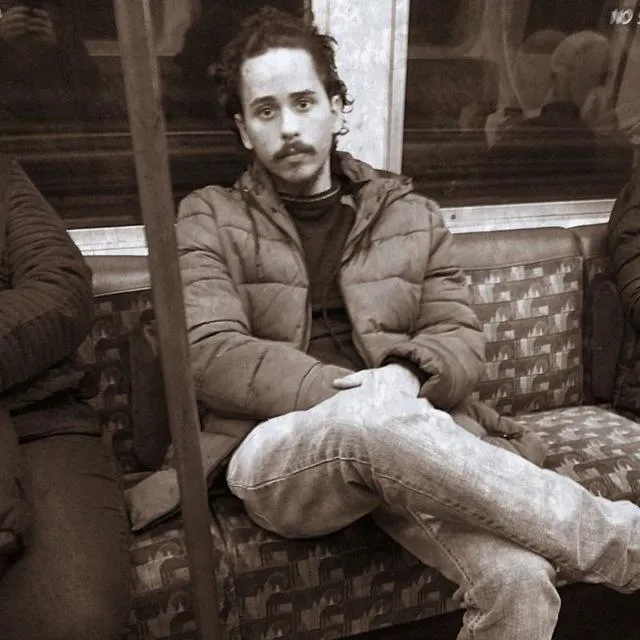
Photo: Marx.FelipeForte, CC BY-SA 4.0, via Wikimedia Commons
There is a clip making the rounds right now that is, functionally, nothing. A person sits in a kitchen. They look at the camera. They blink. Three seconds pass. Then four. Then a small exhale that could charitably be called a sigh. And then the video ends. No punchline. No reveal. No dance. Just a human being briefly radiating the energy of a dial tone.
It has been shared, remixed, stitched, and quoted in group chats more times than most scripted comedy bits this year. And it is not alone.
In 2026, some of the biggest entertainment moments are not moments at all. They are gaps. The pause before the answer. The stare after the question. The silence where a joke is supposed to be. Call it dead air, call it a beat, call it the internet's new favorite special effect. Either way, the year's most viral clips have figured out something that late-night hosts and reality producers have known forever: sometimes the funniest thing on screen is a person doing absolutely nothing on purpose.
Welcome to the Dead Air Awards, an entirely made-up ceremony for a very real trend.
First, a Brief Defense of Doing Nothing
Dead air used to be a broadcasting sin. A station would rather run a test pattern than let a second of silence slip through. Radio hosts were trained to fill the space. TV producers cut around it. A pause was a problem to be solved.
Now it is the point.
Part of this is practical. Short-form video has trained us to expect a hook in the first half-second and a payoff shortly after. When a clip refuses to deliver either, our brains lean in. The pause becomes a promise. Something is about to happen. Or maybe nothing is. That uncertainty is the whole show.
The other part is emotional. A three-second silence is a blank space, and the internet loves a blank space. It is an invitation to comment, to caption, to stitch, to explain. The pause travels farther than the punchline because the audience gets to finish it.
The Dead Air Awards: A Highly Official Ranking
We reviewed an unscientific sample of the year's most forwarded, stitched, and screenshotted clips. The categories below are real. The trophies are imaginary. The vibes are undeniable.
Gold: The Stare
The undisputed champion of 2026. A person looks directly into the lens and holds it. No expression. No blinking. Just the slow realization that the camera is still rolling and so are they. The Stare works because it breaks the fourth wall without saying anything. It is eye contact as a threat, a joke, and a cry for help all at once. The best versions end with a tiny head tilt that suggests the person has forgotten what they were going to say and has decided to commit to the bit.
Silver: The Sigh
Subtler, sadder, deeply rewatchable. The Sigh arrives after someone asks a question they already know the answer to. It is the sound of a person choosing peace over honesty. In 2026, the Sigh became the default reaction to everything from group-chat drama to family Thanksgiving politics. It is not a verbal answer, but everyone knows exactly what it means.
Bronze: The Load-Bearing Silence Before the Punchline
This is the classic wait-for-it pause, upgraded. A creator sets up a story, stops talking, and lets the silence stretch just long enough that you start to wonder if the video has frozen. Then they deliver a line that is rarely as good as the pause itself. That is not a bug. The pause did the work. The punchline is just the receipt.
Honorable Mention: The Read Receipt
Screenshot culture gave us a new kind of dead air this year: the group chat where someone asks a question and the only response is a read receipt. No reply. No emoji. Just the digital equivalent of a person slowly backing out of a room. It is not technically a video, but it absolutely has a beat.
Why Editors Are Building Pauses on Purpose
Here is the part that makes the Dead Air Awards feel less like an accident and more like a business strategy. Reality shows have been manufacturing silence for years. Watch any competition series and count the cutaways: a contestant stares at a wall, a judge inhales, a host lets a question hang in the air while the music swells. None of that is accidental. It is edited tension, engineered to keep you from touching the remote.
Short-form creators have borrowed the same trick. A pause can stretch a seven-second clip into something that feels like a full scene. It can turn a mediocre joke into a moment. It can make a viewer rewatch to see if they missed something, which is exactly what the algorithm wants.
The result is a strange new grammar. The pause is no longer the absence of content. It is content. It is the thing you came for.
The Wait-For-It Economy
There is a reason so many captions this year read like ransom notes: wait for it. The phrase has become a genre label. It tells you that the clip will be boring for a second and then, probably, not boring. Sometimes it is a lie. Sometimes the payoff is a dog walking into frame, or a person dropping a plate, or absolutely nothing. But the promise itself is enough to keep you watching.
That is the quiet genius of dead air. It costs nothing to produce. It requires no budget, no script, no guest star. It is just a person, a camera, and the courage to let the moment sit there. In a year of expensive spectacle, the cheapest trick in the book won.
What the Dead Air Awards Actually Celebrate
Not laziness. Timing. A good pause is harder than it looks. Too short and it is just a gap. Too long and it is a hostage situation. The people who land it understand something about attention: it is not a switch you flip, it is a stretchy band you pull. Let it go slack and you lose the room. Pull it tight and wait, and you have everyone exactly where you want them.
So here is to 2026's most unglamorous stars: the starers, the sighers, the people who let the silence do the talking. They did not go viral because they did something. They went viral because they stopped. And honestly? We are still waiting for it.