One Frame, Full Campaign: The 2026 Screenshot That Reviews a Movie for You
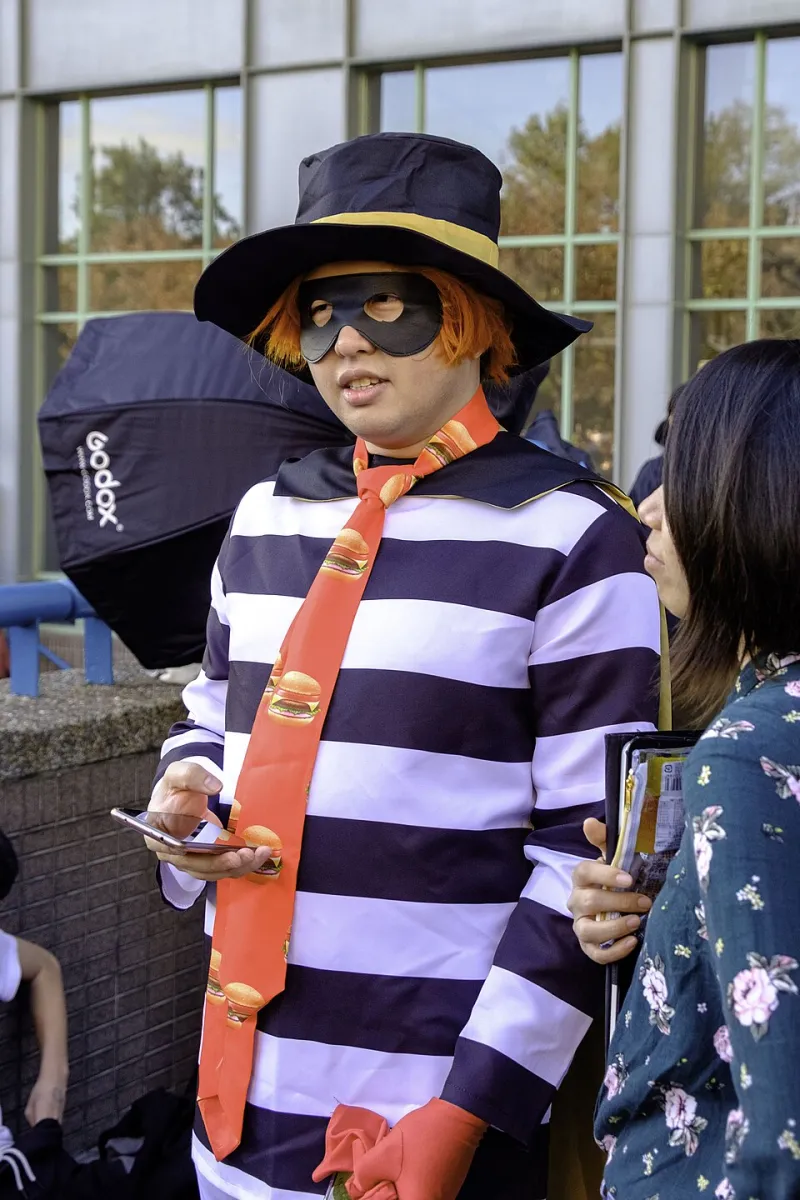
Photo: 玄史生, CC0, via Wikimedia Commons
There’s a moment in every group chat when someone drops a single image and types “this is the whole movie.” No trailer link. No Rotten Tomatoes score. Just a frame — a coat, a face, a lamp that looks like it’s seen things. In 2026, that’s often enough to turn a movie from “maybe later” into “Friday, 7 p.m., reclining seats.”
The full review isn’t dead. But it’s no longer the first date. The screenshot is.
The Frame That Does the Talking
A screenshot is a promise with plausible deniability. It doesn’t tell you the plot. It doesn’t spoil the third-act twist. It just says: this movie has a texture you might want to live inside for two hours. Maybe it’s a costume so specific it feels like a personality test. Maybe it’s a reaction shot that already works as a meme before you know the context. Maybe it’s a set detail — a wallpaper pattern, a cereal box, a parking lot at dusk — that suggests the filmmakers cared about the corners of the frame.
Social media editors have noticed. “We used to fight for the trailer drop,” says a social lead at a midsize studio, who asked not to be named because she’s not authorized to talk marketing strategy. “Now we fight for the still. If the still hits, the trailer gets watched. If the still doesn’t, the trailer is just an ad.”
That inversion is the story of 2026. Audiences are drowning in content and allergic to being sold. A review asks for trust. A screenshot asks for a vibe check. And a vibe check is cheaper.
Why a Screenshot Beats a Review
Reviews are useful, but they’re also a commitment. You have to read paragraphs, weigh the critic’s taste against your own, and decide whether the person who hated the last thing you loved is worth listening to. A screenshot skips all that. It’s evidence without argument.
There’s also the pleasure of discovery. When a frame circulates without context, you get to be the person who identifies it. “What is this from?” is one of the internet’s most reliable engagement engines. The answer — a title, a streamer, a release date — lands like a gift. By the time the official account quote-tweets the frame with a pre-order link, the audience feels like it found the movie first.
Marketers are learning to let that happen. “The worst thing you can do is caption it too fast,” says a digital strategist who works on indie releases. “If you explain the joke, you kill the joke. If you let people ask, you get a thousand mini-trailers for free.”
The Lifecycle of a Viral Frame
The pattern is pretty consistent. A frame escapes — from a festival screening, a trailer’s background, a press kit, or a crew member’s behind-the-scenes post. Someone crops it. Someone adds a caption that’s either a joke or a threat. It gets reposted by an account with a name like @filmframesdaily or @setdecorationhell. A reply asks for the source. A fan account answers. The studio’s social team pretends it didn’t see it for about six hours, then posts the still with a date.
Then comes the second wave: the explainer. “The lamp in this movie is actually a reference to—” and suddenly the frame has lore. By opening weekend, the screenshot is a shorthand. People aren’t saying “let’s see the new thriller.” They’re saying “let’s see the lamp movie.”
That shorthand is the whole game. A title is abstract until it has an image attached. A screenshot gives the title a face.
Three Frames That Did the Selling in 2026
Call them by their unofficial names, because that’s how everyone else did.
The pink-coat thriller. A mid-budget movie that had a quiet streaming debut and almost no press. One still — a character in a pink coat standing in a grocery store aisle, fluorescent lights humming — started circulating in late winter. Nobody knew if it was a comedy or a horror film. That ambiguity was the point. The frame looked ordinary and wrong at the same time, and people needed to know which. The movie climbed the streaming charts within a week, and the distributor leaned in with a “pink coat” filter and a re-release in 200 theaters. No new trailer. Just the frame, bigger.
The diner booth. A family adventure that looked, in stills, like every other family adventure. Then a single shot of a diner booth — ketchup bottle, cracked vinyl, a kid’s hand reaching for something just out of frame — became a “this is my entire childhood” post. The movie wasn’t about a diner. But the frame promised warmth, and warmth sold. The studio started running the still as a digital ad with no text except the release date. It outperformed the trailer in some markets.
The cursed lamp. An indie horror import that had a tiny theatrical window and a lot of festival buzz nobody outside the festival circuit had heard of. The frame was a living room lamp with a shade that looked like a face if you squinted. The internet squinted. Memes followed. The distributor moved the movie to a bigger streaming date and put the lamp on the poster. The lamp is now the movie’s most recognizable cast member.
The Risk of the Single Frame
A screenshot can oversell. That’s the trade-off. If the frame is the best thing in the movie, audiences will notice. “You can’t build a campaign on one image if the image is a lie,” the digital strategist says. “People forgive a lot. They don’t forgive a bait-and-switch.”
There’s also the spoiler problem. A frame that reveals too much is a trailer in disguise. A frame that reveals too little is a puzzle with no payoff. The sweet spot is a frame that raises a question the movie can actually answer.
And there’s the ownership issue. Once a still is out there, it belongs to the group chat. Studios can quote-tweet it, but they can’t control it. The same frame that sells a ticket can become a critique — “the whole movie is just this shot for 90 minutes” — before opening night.
What Marketers Are Learning
The lesson isn’t “make a better poster.” It’s “make a movie with frames worth stealing.” Set design, costume, lighting, a background extra doing something weird — these used to be details. Now they’re distribution.
That’s a strange assignment for filmmakers. You’re not just making a movie. You’re making a library of potential screenshots. The ones that travel won’t be the ones you planned. They’ll be the ones that feel like a secret someone else found.
So the next time a single image shows up in your feed with no context and a caption that says “I need to know everything about this,” you’re not just looking at a still. You’re looking at a review, a recommendation, and a ticket link in disguise. In 2026, that’s the whole campaign. One frame, or bust.